Jewellery Materials with Care: Understanding Natural, Recycled and Synthetic Choices


Jewellery Materials with Care: Understanding Natural, Recycled and Synthetic Choices
When choosing jewellery, it’s not only about style and sparkle – it’s also about values. As sustainability and ethical consumption become increasingly important in the UK, the materials behind our favourite pieces deserve attention. What does it really mean when a piece is made from “natural”, “recycled” or “synthetic” materials? Here’s a guide to the three main categories – and how to make thoughtful choices when buying jewellery.
Natural materials – beauty from the earth
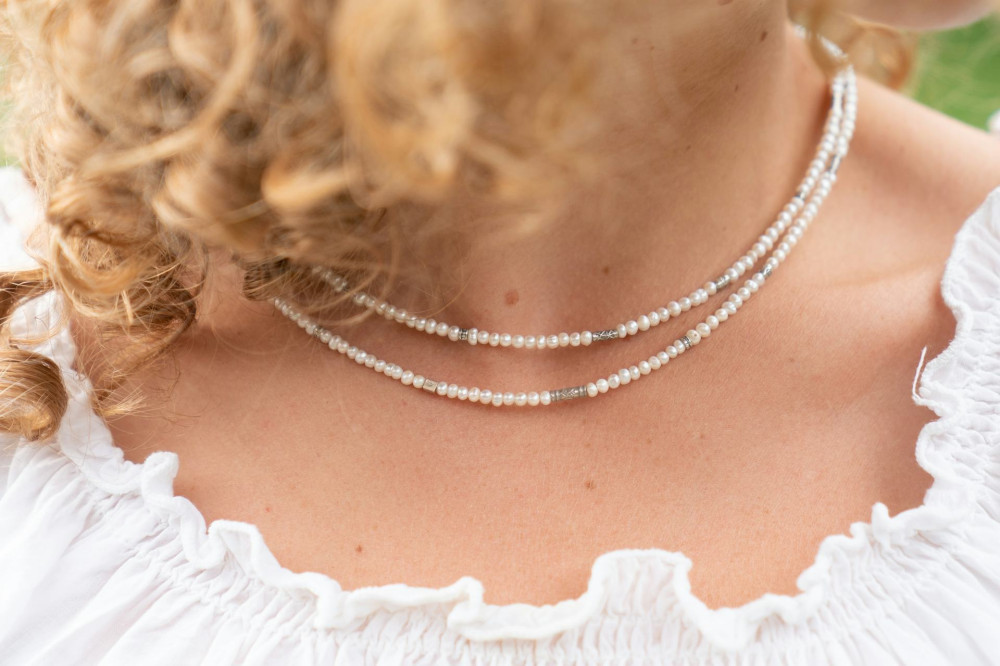
Natural materials such as gold, silver, gemstones, pearls and amber have been treasured for centuries. Their rarity and natural character make them timeless, but their extraction can have significant environmental and social impacts.
Advantages:
- High quality and durability.
- Each stone or metal has its own unique character – no two pieces are identical.
- Can be repaired, reused and passed down through generations.
Challenges:
- Mining can cause environmental damage, pollution and poor working conditions.
- Processing and transport require large amounts of energy.
If you prefer natural materials, look for certifications such as Fairtrade Gold or Fairmined, which ensure better conditions for miners and the environment. Many UK jewellers now highlight the origin of their materials – transparency is a good sign of responsible practice.
Recycled materials – jewellery with a story
Recycled materials are an increasingly popular sustainable choice. Existing metals and stones are melted down or reworked into new designs, reducing the need for new mining and cutting down on waste.
Advantages:
- Lower environmental impact and reduced carbon footprint.
- Metals like gold and silver can be recycled indefinitely without losing quality.
- Offers the chance to create meaningful pieces, for example by reusing family heirlooms.
Challenges:
- It can be difficult to trace the original source of older materials.
- Not all jewellers currently offer recycled options.
Across the UK, more independent designers and established brands are turning to recycled gold and silver. It’s a way to combine craftsmanship, beauty and responsibility – without compromising on quality or design.
Læs også:



Synthetic materials – technology meets tradition
Synthetic materials, such as lab-grown diamonds and man-made gemstones, are created using advanced technology. They have the same chemical composition as their natural counterparts but are produced under controlled conditions.
Advantages:
- No mining required – significantly reducing environmental disruption.
- Usually more affordable than natural gemstones.
- Consistent quality and the possibility of creating new colours and shapes.
Challenges:
- Production still requires energy, and sustainability depends on the energy source.
- Some buyers still value the rarity and natural origin of mined stones.
Lab-grown diamonds are a prime example of how innovation can offer an ethical alternative without sacrificing beauty. For many, they represent a modern form of luxury with a clear conscience.
Choosing with care
When buying jewellery, a few simple questions can help you make a more responsible choice:
- Where do the materials come from? Ask about origin and certifications.
- Are recycled materials used? This is often one of the most sustainable options.
- How is the jewellery made? Local craftsmanship and small-scale production can reduce environmental impact.
- Will it last? Timeless design and good quality mean you can enjoy it for years to come.
Choosing jewellery with care doesn’t mean giving up on beauty – it means connecting aesthetics with ethics. Whether you’re drawn to natural treasures, recycled metals or innovative synthetic stones, you can find pieces that reflect both your style and your values.
Læs også: