How to Tell if a Gemstone Has Been Damaged

How to Tell if a Gemstone Has Been Damaged
Gemstones are nature’s treasures – formed deep within the earth over millions of years and cherished for their beauty and brilliance. But even the hardest stones can suffer damage if exposed to knocks, heat, or harsh chemicals. A scratch, a dull surface, or a change in colour can all be signs that your gemstone has been harmed. Here’s a guide to help you tell whether your gemstone has been damaged – and how to care for it properly in the future.
Begin with a Careful Visual Inspection
Start by examining the stone closely in good, natural light. A jeweller’s loupe or magnifying glass can help you spot small imperfections that are hard to see with the naked eye.
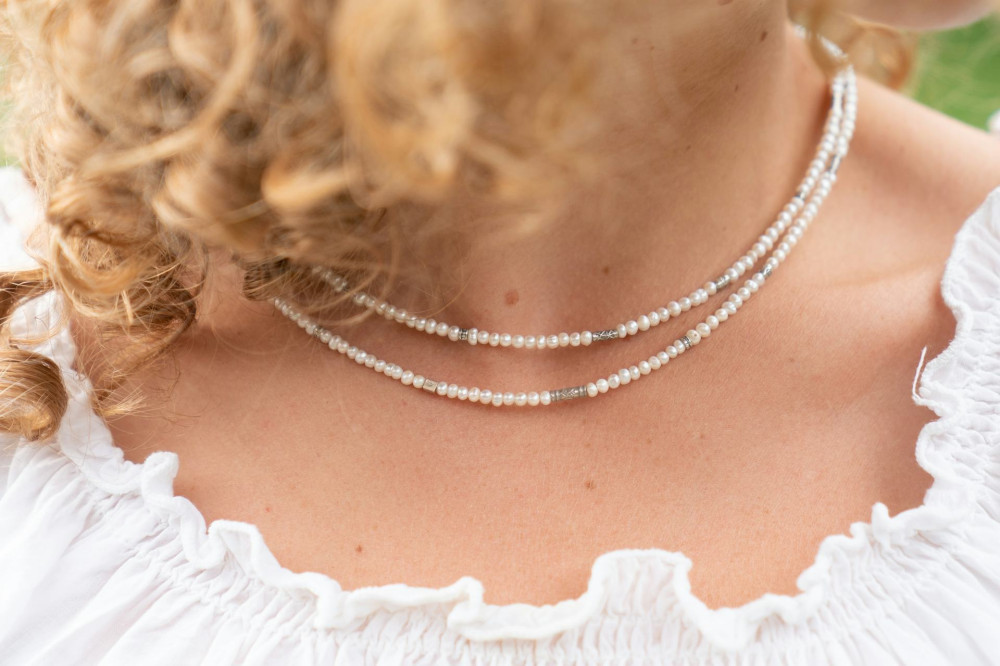
- Scratches and abrasions: Diamonds and sapphires are extremely hard, but they can still pick up tiny scratches if stored with other stones. Softer gems such as opals, turquoise, and pearls are particularly vulnerable.
- Chips and cracks: Look for small chips along the edges or fractures running through the stone. These can weaken the structure and make the gem more fragile.
- Dull or uneven surface: If your gemstone once had a bright polish but now looks cloudy or matte, it may have been worn down or exposed to chemicals.
Hold the stone up to the light – damage often becomes more visible when light passes through it.
Check Colour and Clarity
A gemstone’s colour and clarity reveal much about its condition. Any change in hue or transparency can indicate exposure to sunlight, heat, or cleaning agents.
- Colour fading: Stones like amethyst and topaz can lose their vibrancy if left in direct sunlight for long periods.
- Cloudiness: A milky or hazy appearance may be caused by tiny internal fractures or moisture that has seeped in.
- Spots or stains: These can result from contact with perfume, cleaning products, or even perspiration.
If possible, compare your gemstone with older photos of the jewellery to see whether its colour or brightness has changed over time.
Examine the Setting and Surroundings
Sometimes the problem lies not with the gemstone itself but with its setting. A loose or bent setting can make the stone unstable – and in the worst case, cause it to fall out.
- Gently nudge the stone with your fingertip. If it moves, it’s best to have it checked by a jeweller.
- Look for discolouration or corrosion in the metal around the stone, as this can affect both appearance and durability.
A damaged setting can also create the illusion of scratches on the stone, when in fact it’s the metal reflecting light differently.
Læs også:


Seek Professional Assessment
If you’re uncertain, it’s always wise to have your gemstone examined by a professional. A jeweller or gemmologist can use specialised tools to determine whether the damage is superficial or structural.
Experts can also advise whether the stone can be polished or repaired. Some surface marks can be removed, but deeper cracks are often permanent.
Prevent Future Damage
The best way to preserve your gemstone’s beauty is through careful handling and storage:
- Keep each piece of jewellery in a separate soft pouch or box.
- Remove jewellery before cleaning, exercising, or bathing.
- Avoid contact with perfume, hairspray, and household chemicals.
- Have your jewellery checked regularly, especially if you wear it often.
With a little care and attention, your gemstones can retain their sparkle and value for many years – and perhaps even become cherished heirlooms for generations to come.
Læs også: