When the Weather Changes: How Trouser Fabrics Are Affected by Moisture and Temperature


When the Weather Changes: How Trouser Fabrics Are Affected by Moisture and Temperature
When the British weather swings from drizzle to sunshine, from chilly mornings to humid afternoons, it’s not only our mood that changes – our clothes feel it too. Trousers, whether made from cotton, denim, wool or synthetic fibres, respond differently to shifts in moisture and temperature. That can mean the difference between feeling comfortable and feeling clammy, or between trousers that keep their shape and those that sag. Here’s how weather affects trouser fabrics – and how to choose and care for them so they stay smart and comfortable all year round.
Cotton – breathable but moisture-sensitive
Cotton is one of the most common materials for trousers, especially chinos and lightweight summer styles. It’s soft, breathable and pleasant against the skin, but it readily absorbs moisture. When humidity rises, cotton fibres swell, making the fabric feel heavier and slower to dry. In damp weather, cotton trousers can lose some of their shape and start to cling.
On the other hand, cotton is ideal in warm, dry conditions, helping the body to stay cool. To make cotton trousers more weather-resistant, look for blends with synthetic fibres such as polyester or elastane. These help the fabric dry faster and maintain its shape even when the air is damp – a useful feature in the UK’s unpredictable climate.
Denim – durable but temperature-sensitive
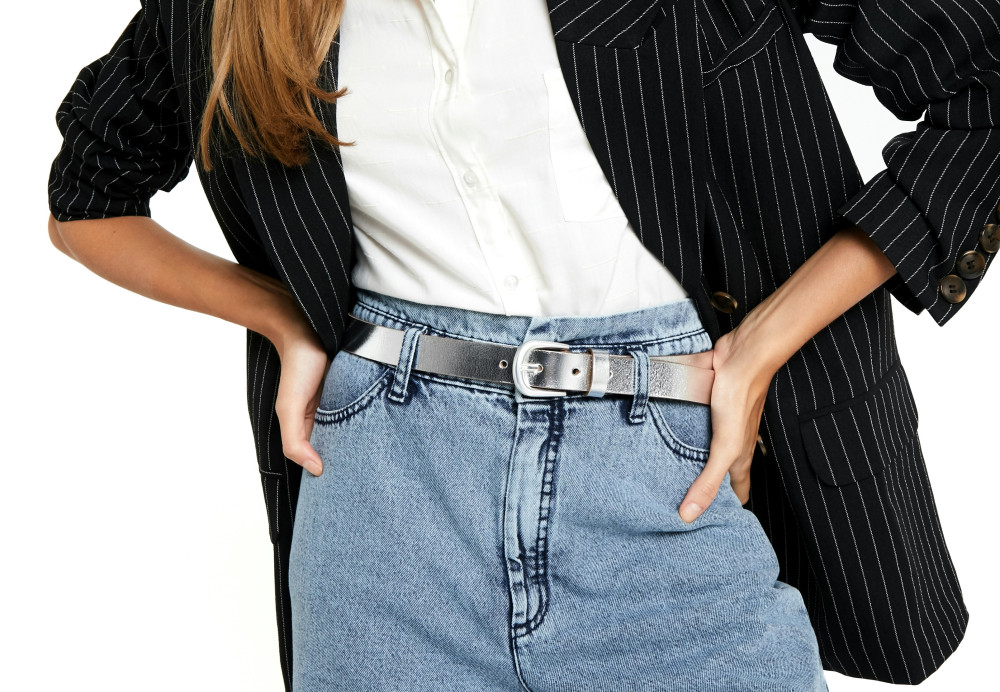
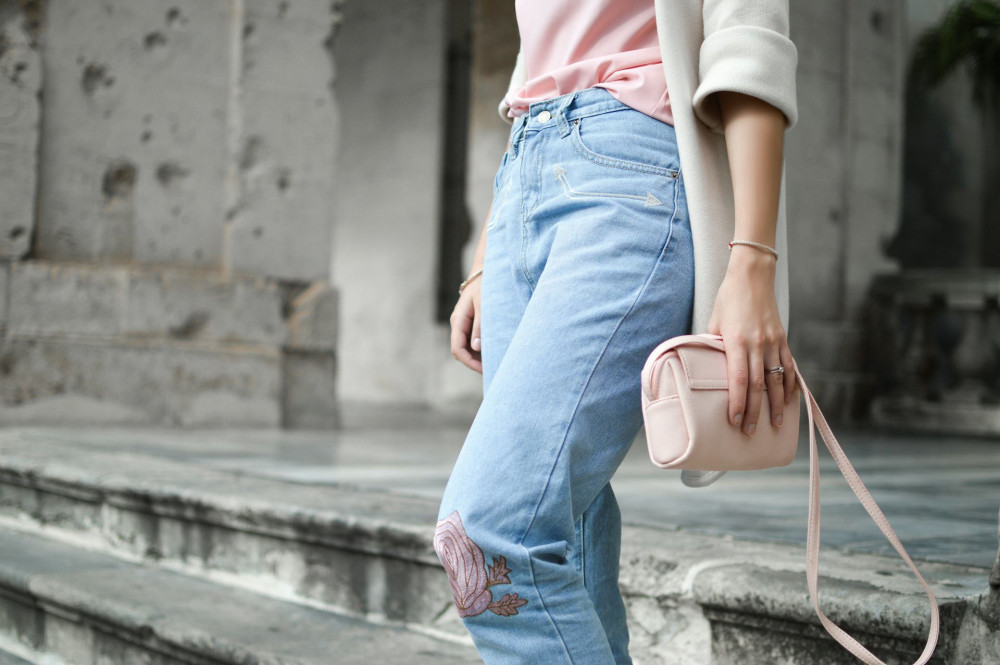
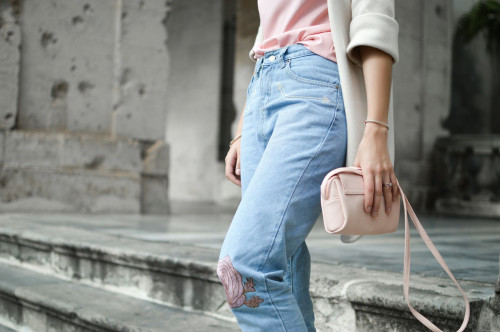
Jeans are a wardrobe staple, known for their toughness, but denim – a tightly woven cotton fabric – also reacts to temperature. In cold weather, denim can feel stiff and less flexible, while warmth and humidity make it softer and more pliable. That’s why your favourite jeans can feel completely different in July than they do in January.
If you want jeans that hold their shape through the seasons, choose a pair with a small amount of stretch fibre, such as elastane. This gives the fabric more flexibility and helps it adapt to temperature changes without losing its fit.
Wool – nature’s own temperature regulator
Wool is a natural fibre that excels at adapting to the weather. It can absorb moisture without feeling wet and still insulates against the cold. That makes wool trousers perfect for autumn and winter, when the air is often damp and temperatures drop.
When the weather warms up, however, wool can feel too heavy, especially if the fabric is densely woven. Lightweight wool blends – for example, with silk or polyester – offer a better balance between warmth and breathability. To keep wool trousers in good condition, air them after wearing instead of washing them too often. This preserves the fibres’ natural properties and extends their lifespan.
Læs også:

Synthetic fabrics – stable but less breathable
Polyester, nylon and other synthetic fibres are popular in modern trousers, particularly for travel or outdoor wear. They resist moisture, dry quickly and maintain their shape even when temperatures fluctuate. This makes them practical for the UK’s famously changeable weather.
The downside is that synthetics don’t breathe as well as natural fibres. In warm or humid conditions, they can feel sticky against the skin. Many manufacturers therefore combine synthetic fibres with cotton or viscose to achieve a better balance between comfort and performance.
Choosing trousers for the season
When picking trousers, it’s worth thinking about the conditions you’ll wear them in:
- Spring and autumn: Go for blended fabrics that can handle both moisture and temperature swings.
- Summer: Choose lightweight cotton, linen or quick-drying synthetics.
- Winter: Opt for wool or heavier denim that insulates and retains warmth.
A versatile option is a cotton blend with a touch of elastane or polyester – comfortable, durable and adaptable to shifting weather.
Care and storage – keeping trousers in shape
Moisture and temperature don’t just affect how trousers feel; they also influence how long they last. A few simple habits can make a big difference:
- Air instead of wash: Especially for wool and denim, airing after wear helps remove odours and preserves the fabric.
- Avoid direct heat: Dry trousers at room temperature; high heat can shrink fibres or damage elasticity.
- Store in a dry place: Damp wardrobes can cause mould on natural fibres and unpleasant smells in synthetics.
By paying attention to both the weather and the fabric, you can keep your trousers looking sharp and feeling comfortable – whether the day brings sunshine, showers or a brisk coastal breeze.
Læs også: