Training in the Heat: Dress so Your Body Can Breathe

Training in the Heat: Dress so Your Body Can Breathe
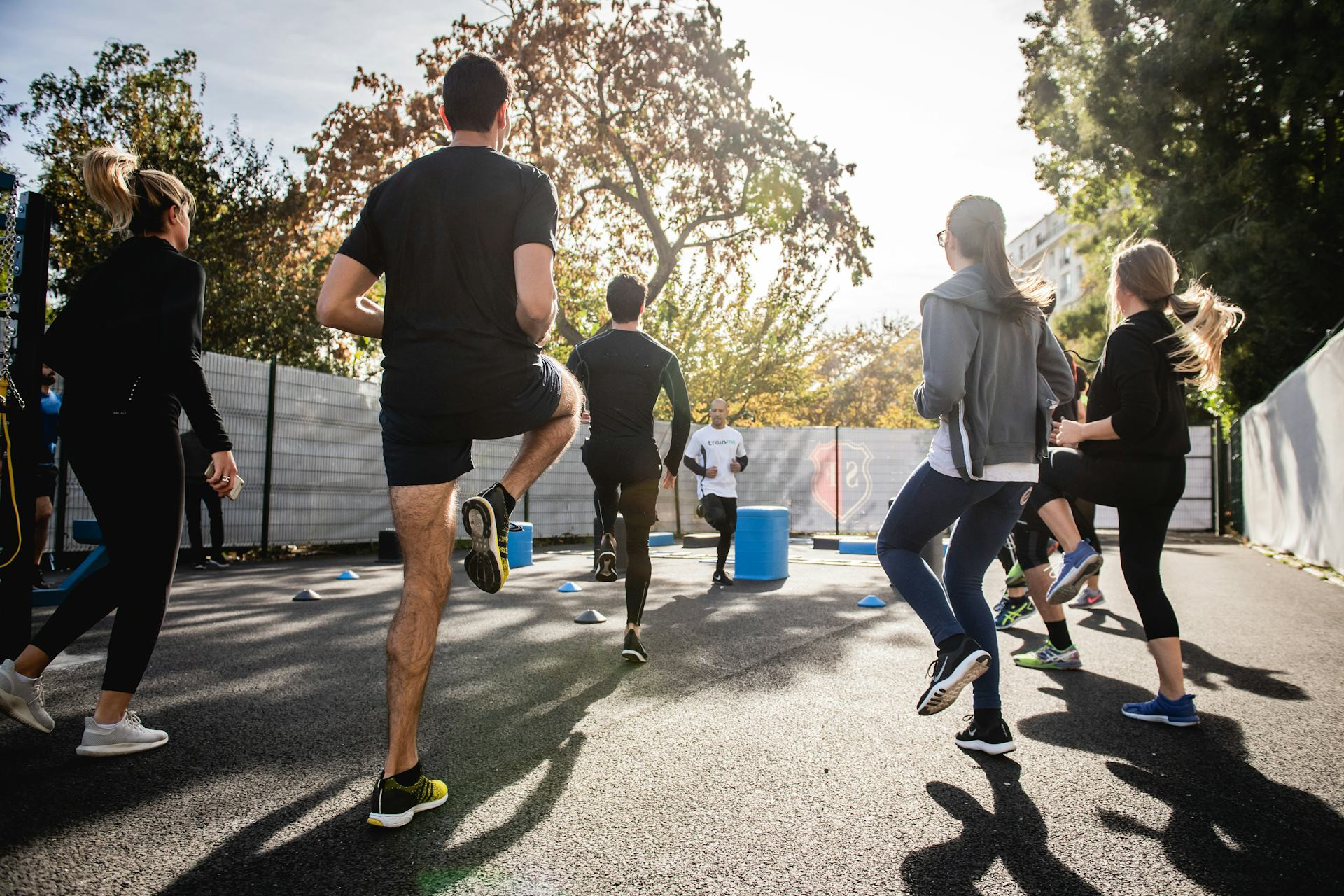
When the temperature rises and the sun beats down, even your usual workout can feel tougher than normal. Your body works harder to stay cool, and what you wear can make a big difference. The right clothing helps you train comfortably and safely, even on the hottest days. Here’s how to dress so your body can breathe when exercising in the heat.
Choose fabrics that wick away sweat
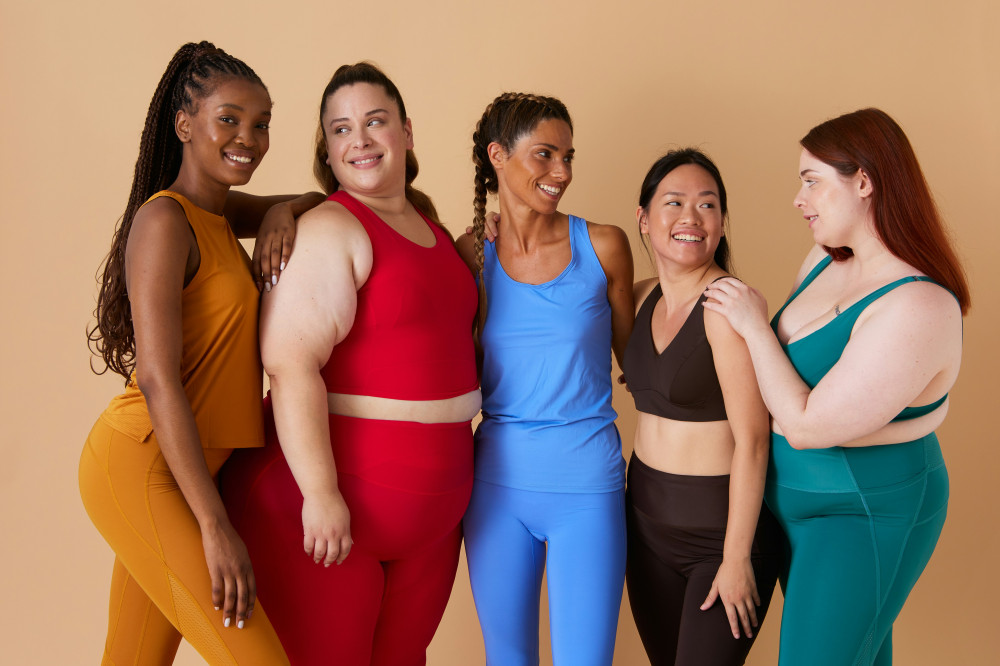
The most important rule for hot-weather training is to wear clothes that draw sweat away from your skin. Cotton might feel soft at first, but it traps moisture and quickly becomes heavy and sticky. Instead, go for synthetic fabrics such as polyester, nylon, or elastane, which dry quickly and help regulate your body temperature.
Many sports brands now offer technical fabrics with mesh panels or microfibres that improve ventilation. If you prefer natural materials, merino wool is a surprisingly good option – it’s lightweight, breathable, and resists odour, even in warm conditions.
Think in layers – even in summer
Layering isn’t just for winter. A thin, moisture-wicking base layer close to your skin helps keep you dry, while a light outer layer protects you from sun and wind.
If you’re training outdoors, a running T-shirt with UV protection or a lightweight windbreaker can be useful. These garments shield you from the sun’s rays without trapping heat.
Tight or loose – what works best?
Whether you choose tight or loose clothing depends on your activity and comfort. Tight-fitting gear can be ideal for running or cycling, as it prevents fabric from flapping and helps move sweat away from your skin.
Loose clothing, on the other hand, allows more air to circulate and can feel more comfortable for lower-intensity activities such as yoga, walking, or outdoor strength training. The key is to wear clothes that don’t restrict movement and allow air to flow freely around your body.
Don’t forget your head and feet
Your head loses a lot of heat, and when the sun is strong, it also needs protection. A light cap or headband can shield you from the sun while absorbing sweat. Choose breathable designs with ventilation holes.
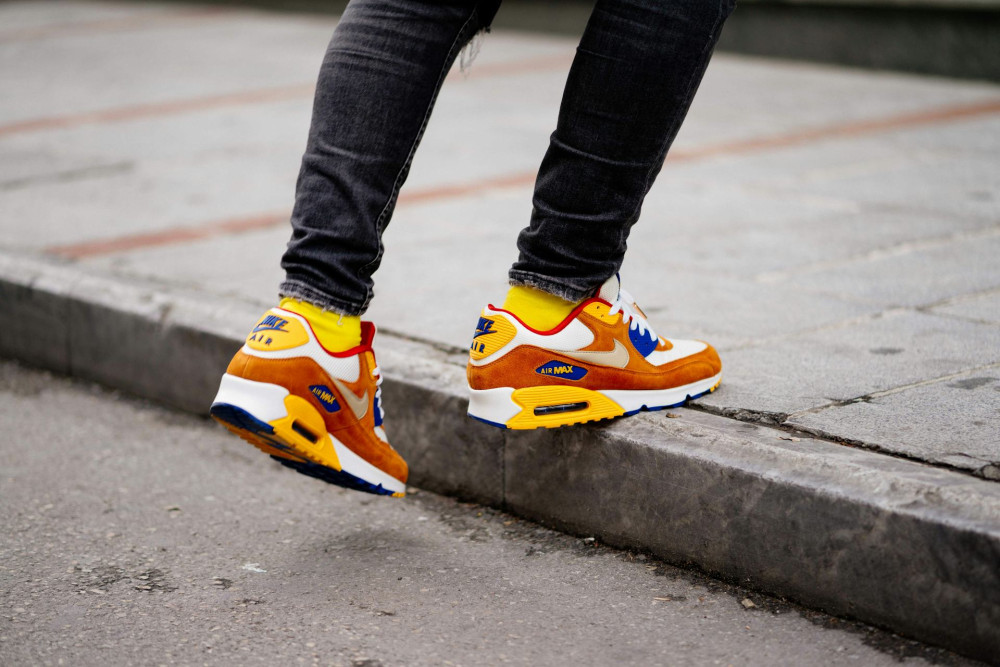
Your feet also deserve attention. Wear moisture-wicking socks made from technical materials to prevent blisters and keep your feet dry. Avoid cotton socks, which quickly become damp and uncomfortable.
Colours and visibility matter
Dark colours absorb heat, while light colours reflect it. That’s why light shades such as white, pale grey, or pastel tones are best for summer workouts. If you train early in the morning or late in the evening, make sure your clothing includes reflective details so you stay visible to drivers and cyclists.
Keep your body cool – before, during, and after
Even with the right clothing, you need to help your body manage the heat. Start your workout in the shade and avoid the hottest hours of the day, typically between 11 a.m. and 3 p.m. Drink plenty of water before, during, and after exercise, and consider using a cooling towel or water spray to refresh your skin as you go.
After training, change into dry clothes to prevent your body from cooling down too quickly once you stop moving.
Listen to your body
No outfit can make up for overheating. If you feel dizzy, nauseous, or unusually tired, stop immediately and move to a cooler place. Training in the heat takes time to adapt to – start gently and increase intensity gradually as your body adjusts.
Læs også:
Train smart – not just hard
Exercising in warm weather isn’t about pushing yourself to the limit; it’s about finding the right balance between performance and comfort. With the right clothing, enough hydration, and attention to your body’s signals, you can enjoy your summer workouts while keeping cool and safe.
Læs også: