Quality in the Details: Stitching, Zips and Craftsmanship That Reveal a Great Bag


Quality in the Details: Stitching, Zips and Craftsmanship That Reveal a Great Bag
A great bag is more than just something to carry your belongings in. It’s a piece of craftsmanship where quality reveals itself in the smallest details – in the stitching, the zip, the materials, and the way everything is put together. Whether you’re investing in a work bag, a travel companion or an everyday tote, learning to spot genuine quality will help you choose something that lasts. Here’s how to recognise a well-made bag – right down to the details.
Stitching – the bag’s hidden strength
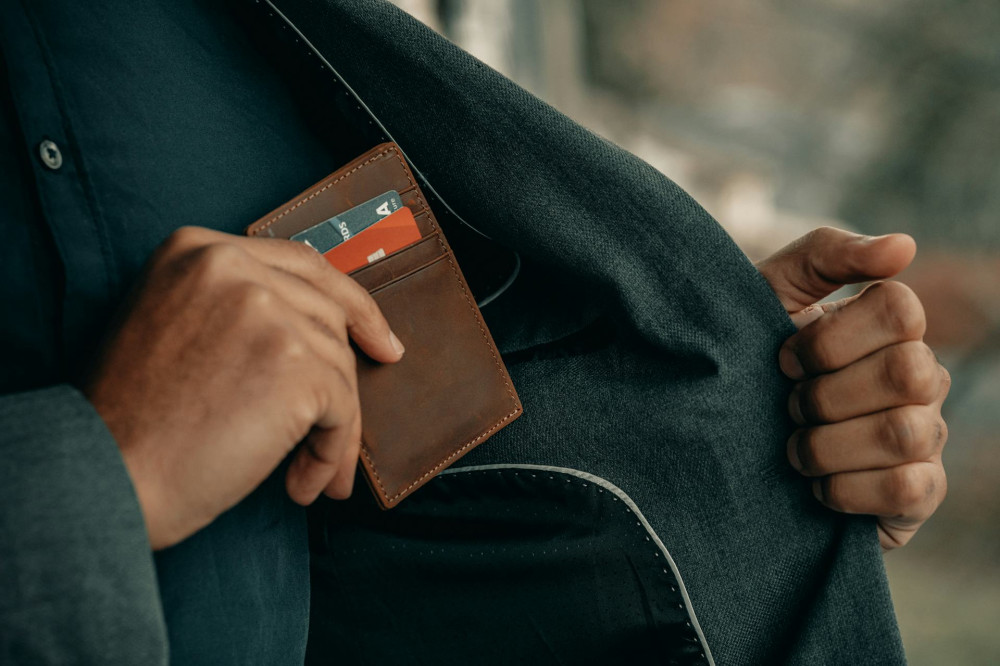
Stitching is often the first place where quality shows. A well-made bag has even, tight and straight stitches that are neither too loose nor too tight. The thread should suit the material – for example, waxed thread for leather or strong nylon thread for fabric.
Pay particular attention to the stitching around handles, straps and corners, as these areas take the most strain. Cheaper bags may have minimal stitching or rely on glue, while quality models use double or reinforced seams that ensure durability for years to come.
A good tip is to look inside the lining or turn the bag inside out if possible. The care taken with hidden seams and edges is a sure sign of thoughtful craftsmanship.
The zip – a small detail with big importance
A zip might seem like a minor feature, but it’s often the first thing to fail on a poorly made bag. A quality zip glides smoothly without snagging or feeling flimsy. It should open and close repeatedly without losing grip or alignment.
Look for reputable manufacturers such as YKK or RiRi – names trusted by many of the world’s best bag brands. A sturdy metal or heavy-duty plastic zip with solid teeth and a robust puller is a mark of quality. Avoid thin, lightweight zips that feel fragile – they rarely stand up to daily use.
The placement of the zip also matters. On a well-designed bag, the zip follows the natural shape of the bag without pulling or distorting the fabric.
Materials – the foundation of durability
The material is the backbone of any bag. Leather, canvas and high-density nylon are classic choices, but their quality can vary widely. Genuine leather develops a beautiful patina over time, while cheaper alternatives like faux leather tend to crack or fade. If you prefer fabric, look for tightly woven textiles with a protective coating to resist water and dirt – ideal for the British climate.
You can test the material by touch: quality feels firm and supple, not thin or plasticky. Smell can also be a clue – real leather has a rich, natural scent, while synthetic materials often smell chemical.
Craftsmanship – where design meets function
A great bag is the result of thoughtful design and skilled craftsmanship. It’s not just about looks, but about balance and usability. The bag should carry weight without losing its shape, and the straps and fittings should be positioned to distribute pressure evenly.
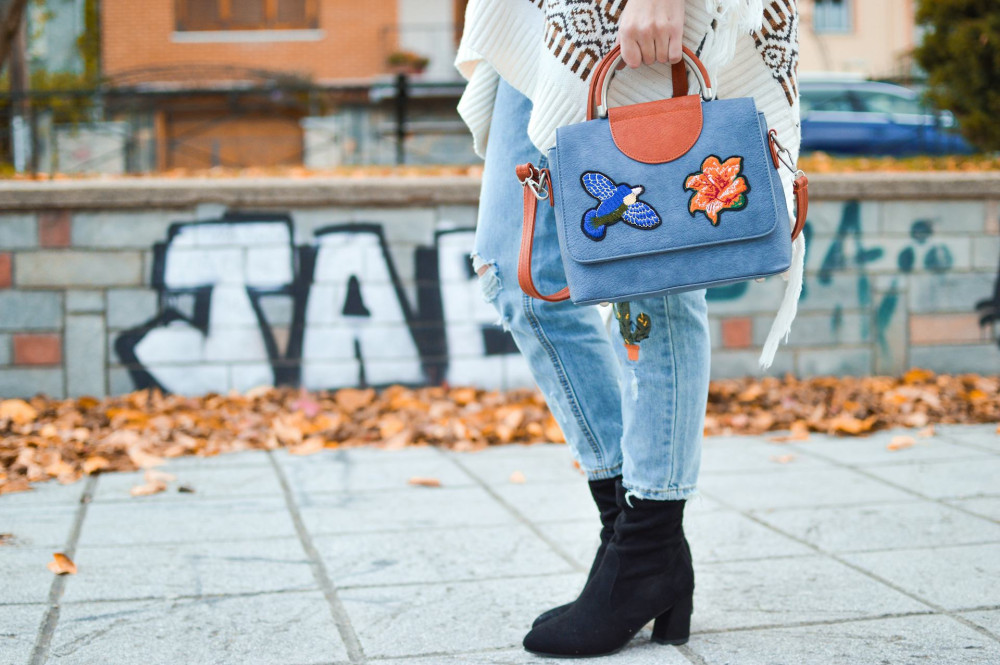
Examine the details: Are the edges neatly finished? Are the metal parts solid and weighty? Is the lining securely stitched with no loose threads? These small touches reveal whether the maker has prioritised quality throughout.
Handmade bags often have subtle variations that show the human touch – a sign of care and individuality that mass-produced models can’t replicate.
Care – keeping quality alive
Even the best bag needs maintenance. Leather should be cleaned and conditioned regularly to stay supple. Fabric bags can be treated with a water-repellent spray, and zips can be lubricated with a little wax to keep them running smoothly.
Store your bag in a dry place and stuff it lightly when not in use to help it keep its shape. With proper care, a quality bag can last for decades – and even look better with age.
Læs også:


Quality you can feel
When you hold a bag, use both your eyes and your hands. Does it feel solid? Are the details well thought out? Is there harmony between form, function and material? True quality can be felt – and it always shows in the details.
A great bag isn’t just a purchase; it’s an investment in something that will accompany you for years. Once you’ve learned to recognise the signs of craftsmanship, you’ll never settle for less again.
Læs også: