Polyester in the Fashion World: Durability, Shape and Function

Discover why polyester continues to shape the fashion industry through its strength, versatility, and evolving design potential
Outfits
Outfits
5 min
From everyday wear to high-end collections, polyester remains a cornerstone of modern fashion. Learn what makes this synthetic fiber so durable, how it influences design and function, and how innovation is redefining its role in a more sustainable future.
Amara Roberts
Amara
Roberts

Polyester in the Fashion World: Durability, Shape and Function

Discover why polyester continues to shape the fashion industry through its strength, versatility, and evolving design potential
Outfits
Outfits
5 min
From everyday wear to high-end collections, polyester remains a cornerstone of modern fashion. Learn what makes this synthetic fiber so durable, how it influences design and function, and how innovation is redefining its role in a more sustainable future.
Amara Roberts
Amara
Roberts

Polyester is one of the most widely used materials in today’s fashion industry – praised by some for its practicality and durability, and criticised by others for its synthetic origins. But what exactly makes polyester so popular, and why does it remain a staple in everything from sportswear to high-end fashion? This article explores the material’s key qualities, its role in modern design, and the innovations shaping its future.

A Material Built to Last

Developed in the mid-20th century, polyester was designed as a strong and affordable alternative to natural fibres such as cotton and wool. Made from petroleum-based products, it is known for its exceptional durability. Polyester garments rarely lose their shape, resist fading, and are less prone to creasing – qualities that make them ideal for everyday wear, work uniforms, and travel clothing.

For many consumers, this means polyester pieces last longer and require less maintenance. The fabric can be washed repeatedly without losing its structure, and it dries quickly – a practical advantage for busy households and unpredictable British weather alike.

Shape and Function in Design

Polyester’s popularity is not only due to its strength but also its versatility. It can be woven, knitted, or treated in countless ways, allowing designers to create everything from soft, silk-like fabrics to crisp, structured textiles. It appears in sportswear, outerwear, dresses, and tailored suits.

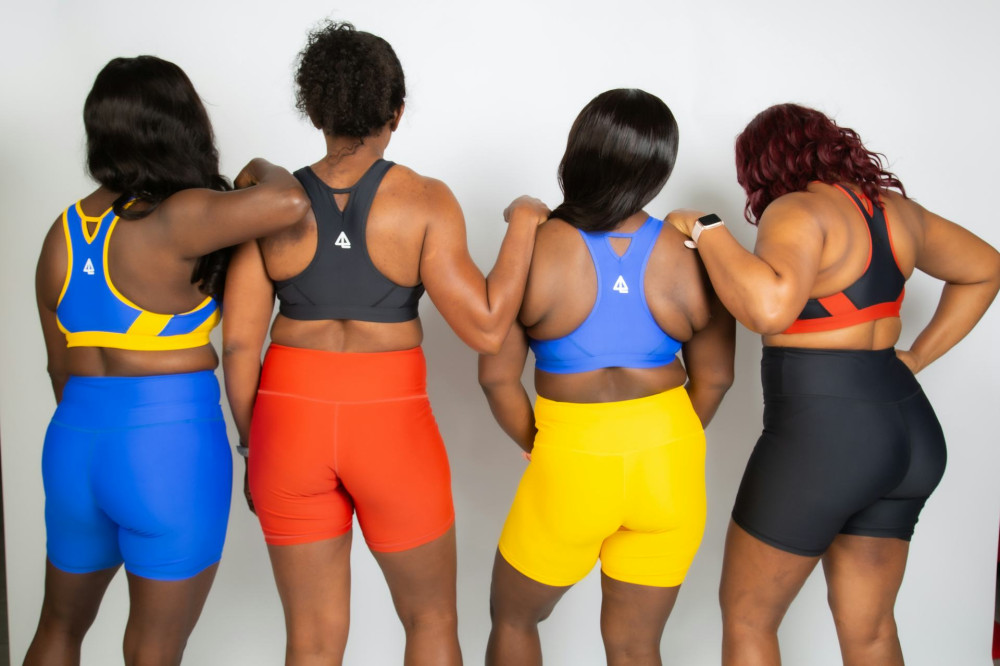
In activewear, polyester is almost indispensable. It wicks moisture away from the body and retains its shape even during intense physical activity. In more refined fashion, polyester is often blended with natural fibres to combine comfort with performance – for example, cotton-polyester blends that offer both softness and resilience.

Environmental Challenges and New Solutions

Despite its many advantages, polyester also presents environmental challenges. Because it is derived from fossil fuels, its production contributes to carbon emissions, and the material does not biodegrade naturally. In addition, polyester garments release microfibres during washing, which can end up in rivers and oceans.

The fashion industry is, however, working to address these issues. A growing share of production now uses recycled polyester, made from plastic bottles or textile waste. This approach reduces the need for virgin oil and helps cut down on waste. Some brands are also experimenting with biodegradable versions and circular production systems, where materials can be reused or remade into new garments.

Polyester in the Future of Fashion

As sustainability becomes a central theme in fashion, attitudes towards polyester are changing. Once seen as a “cheap” substitute, it is now recognised as a technical material with great potential – especially when used responsibly.

Designers are exploring new ways to use polyester both aesthetically and functionally. It can give garments a futuristic sheen, create lightweight and flexible structures, and form part of innovative textile blends. At the same time, consumers are becoming more aware of how to extend the life of their clothes through proper care, repair, and recycling.

A Material in Constant Evolution

Polyester is here to stay – though not necessarily in its current form. The polyester of the future is likely to be more sustainable, more technologically advanced, and more thoughtfully designed throughout its life cycle. Its combination of durability, shape retention, and functionality ensures it remains one of the most significant materials in the fashion world.

For both designers and consumers, the challenge today is to balance performance with responsibility – and in that balance, polyester continues to play a vital role in shaping a more sustainable fashion culture.

Partywear and Sizes: How to Choose the Right Fit
Find the perfect party outfit that fits your body and your style
Outfits
Outfits
Partywear
Fashion Tips
Style Guide
Dress Fit
Occasionwear
4 min
Choosing the right partywear is about more than just following trends—it’s about finding a fit that makes you feel confident, comfortable, and ready to celebrate. Discover how to select the ideal size, fabric, and finishing touches for any special occasion.
Amelia Long
Amelia
Long
Colourful Shoes as Eye-Catchers in Neutral Outfits
Add a pop of colour to your neutral wardrobe with statement shoes
Outfits
Outfits
Fashion
Style Tips
Footwear
Wardrobe Inspiration
Colour Trends
3 min
Discover how colourful shoes can instantly elevate your neutral outfits. Learn to choose the right shades, style them with confidence, and create a balanced look that reflects your personality without overpowering your classic pieces.
Aria Bishop
Aria
Bishop
Polyester in the Fashion World: Durability, Shape and Function
Discover why polyester continues to shape the fashion industry through its strength, versatility, and evolving design potential
Outfits
Outfits
Polyester
Fashion Industry
Textile Innovation
Sustainable Materials
Design
5 min
From everyday wear to high-end collections, polyester remains a cornerstone of modern fashion. Learn what makes this synthetic fiber so durable, how it influences design and function, and how innovation is redefining its role in a more sustainable future.
Amara Roberts
Amara
Roberts
Fashion Design Through the Decades: The Trends That Shaped Style
Discover how each decade’s defining looks tell the story of changing times and evolving identities.
Outfits
Outfits
Fashion History
Style Trends
Design Evolution
Cultural Influence
Sustainability
4 min
From the refined silhouettes of the 1950s to the eco-conscious designs of today, fashion has mirrored society’s transformations. Explore the trends, movements, and cultural shifts that have shaped style through the decades.
Jasmine Price
Jasmine
Price
Overview: Bibs in many varieties and designs
Practical and cute solutions for mealtime and everyday use
Children
Children
Bibs
Children’s clothing
Baby equipment
Mealtime
Practical advice
5 min
Bibs come in many materials and designs – from soft textiles to practical silicone versions. Get an overview of the different types and their functions, so you can choose the right solution for your child.
Mary Roberts
Mary
Roberts
An overview of bodysuits in different styles and fits
Find the right bodysuit for your child’s needs and everyday life
Children
Children
Bodysuit
Baby clothes
Children’s clothes
Comfort
Parenting guide
4 min
Bodysuits are an indispensable part of a baby’s wardrobe. Here you get an overview of different types, materials and fits, so you can find the bodysuits that best suit your child’s needs and everyday life.
Amelia Long
Amelia
Long
Different baby helmets that combine safety and freedom of movement
Protect your child’s head without compromising on comfort and play
Children
Children
Baby helmet
Child safety
Baby equipment
Parents
Safety
2 min
Baby helmets provide extra safety when little ones start to crawl and walk. Get an overview of different types of helmets that protect without restricting movement, and find the solution that suits your child’s needs.
Aria Bishop
Aria
Bishop