Narrow and Pointed Shoes? How to Find the Right Size Without Pinched Toes

Narrow and Pointed Shoes? How to Find the Right Size Without Pinched Toes
Narrow and pointed shoes can look sleek and sophisticated, but they can also be a challenge for your feet. Many people find that even when the size seems right, the fit feels too tight. That’s because the shape of your foot and the shape of the shoe don’t always match. Here’s a guide to help you find the right size – and avoid pinched toes, blisters, and sore feet.
Know Your Foot Type
The first step to finding the perfect fit is understanding your own feet. Feet vary in length, width, and shape, and these differences matter when choosing shoes.
- Narrow feet need shoes that fit snugly around the instep so the foot doesn’t slide forward.
- Wide feet require more room in the toe box – especially in pointed styles, where toes can easily be squeezed together.
- High insteps mean you should check that the shoe can be adjusted comfortably without feeling tight across the top.
You can measure your feet at home by standing on a piece of paper, tracing the outline, and measuring both length and width. Compare your measurements with the brand’s size chart – but remember, sizing can vary between manufacturers.
Pointed or Rounded – Shape Matters
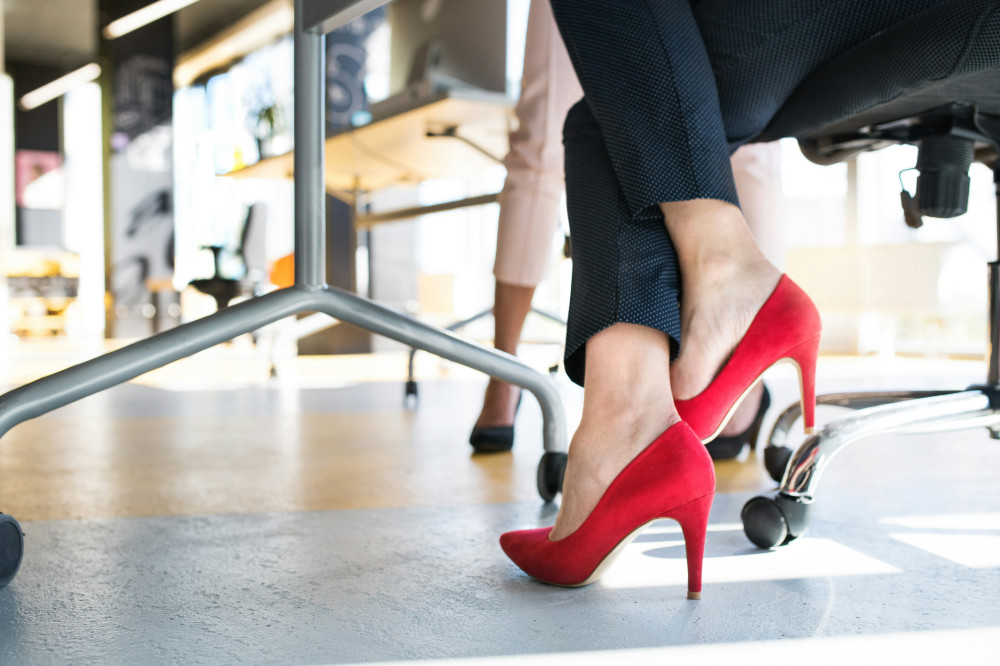
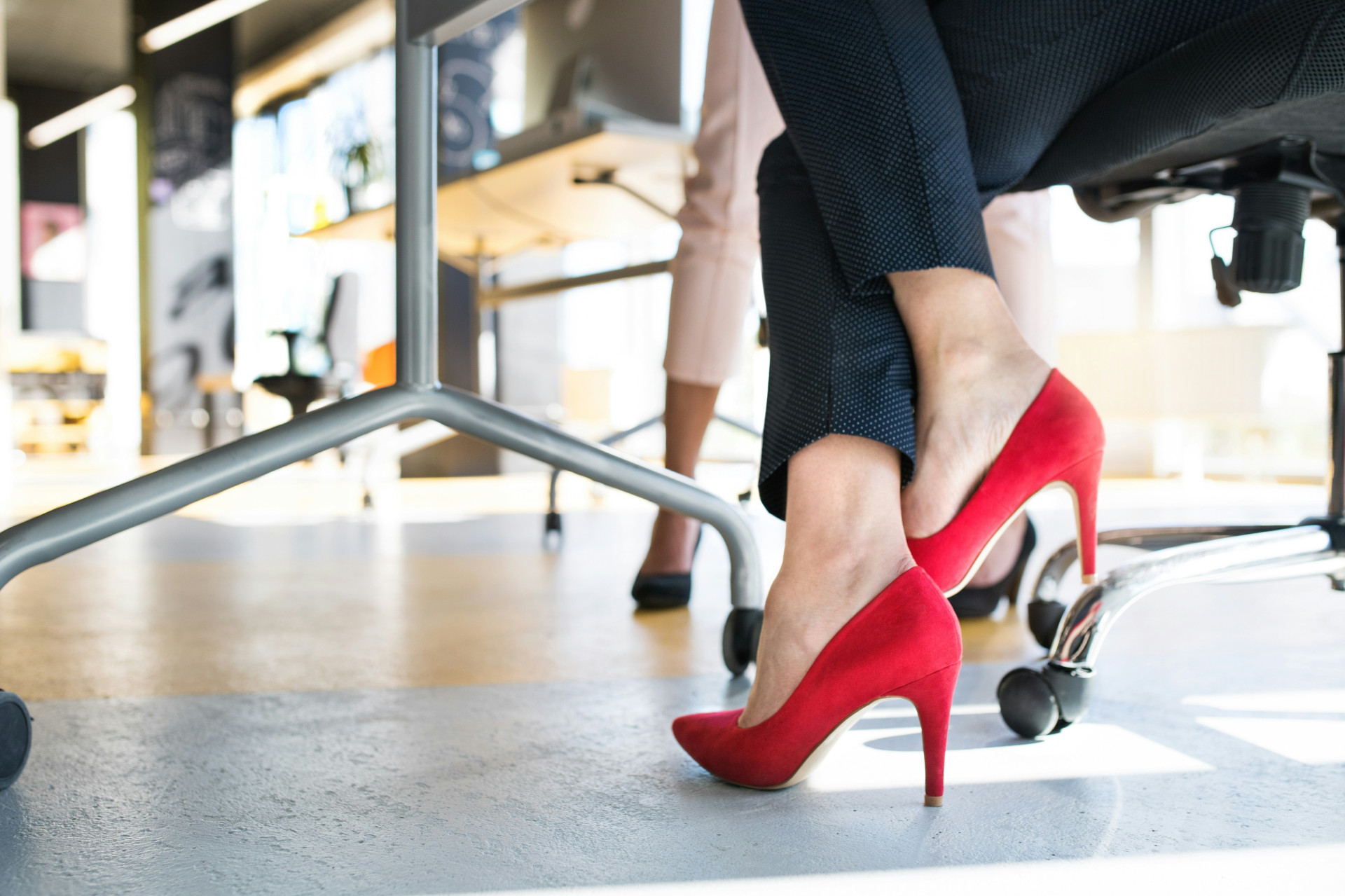
The shape of the shoe has a big impact on comfort. A pointed toe may look elegant, but it reduces space for your toes. If you’re set on a pointed style, consider going up half a size to give your toes a little extra room.
Rounded or almond-shaped toes generally offer more comfort and space. If you often feel pressure on your little toe or big toe, it’s a sign that the shoe’s shape doesn’t suit your foot.
A useful tip: try shoes on later in the day, when your feet are slightly swollen. This gives a more realistic idea of how they’ll feel after a full day of wear.
Materials That Stretch – and Those That Don’t
Leather and suede tend to soften and mould to your feet over time, while synthetic materials usually stay firm. If you choose a pointed leather shoe, it will likely become more comfortable after a few wears.
However, avoid buying shoes that already feel too tight, especially if they’re made from materials that don’t stretch. They’ll only continue to pinch. Always walk around the shop and check for pressure on your toes or across the top of your foot.
Insoles and Small Adjustments
Even the most stylish shoe can feel uncomfortable if the fit isn’t quite right. Insoles and small adjustments can make a big difference.
- Thin insoles can add support and stop your foot from sliding forward in pointed shoes.
- Half insoles are useful if the shoe is slightly too long but fits well in width.
- Stretching spray can help leather shoes loosen up a little if they pinch at the sides.
If you regularly struggle with fit, a podiatrist can assess whether you need custom insoles or shoes with extra width.
Comfort and Style Can Go Together
It’s a myth that you have to suffer for fashion. Many brands now combine modern design with ergonomic comfort. Look for styles with a slightly rounded point or a lower heel – both will ease pressure on your toes and arches.
Remember, your feet carry you every day. A shoe that looks great but feels wrong will end up sitting in the wardrobe. The best shoes are the ones you can walk and stand in comfortably – without giving them a second thought.
Læs også:

How to Test the Fit
When trying on shoes, use this quick checklist:
- Your toes should move freely – there should be about a centimetre of space in front of your big toe.
- Your heel shouldn’t slip – the shoe should stay secure without pinching.
- No pressure points – check the sides and across the instep.
- Take a walk – try them on a hard surface and see if they feel stable.
If you’re between two sizes, go for the larger one – especially with pointed shoes. It’s easier to adjust a slightly loose fit than to stretch a shoe that’s too small.
Give Your Feet a Break
Even the best-fitting shoes need a rest. Rotate between different styles and heel heights throughout the week to avoid putting the same pressure on your feet every day. At home, let your feet breathe – go barefoot or wear soft slippers to help them relax.
Your feet are with you for life, so it’s worth taking care of them – even when you’re choosing shoes that make a statement.
Læs også: